Rigorous, flexible, and designed for every learner
Our curriculum meets students where they are and pushes them further than they thought possible — with built-in supports so no one gets left behind.
Look Inside a Real Classroom
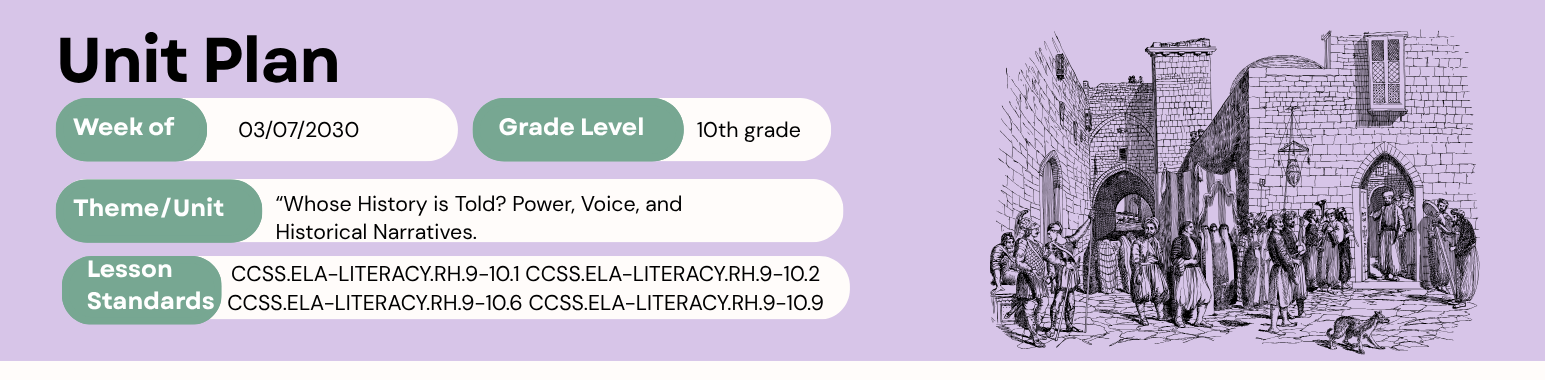
Common Grounds doesn't just talk about culturally sustaining pedagogy — we design for it. This is a real unit plan from a 10th-grade history class.
The Pedagogy Behind the Plan
The unit plan shows what happens in the classroom. The deep-dive explains why.
The Full Course Catalog
Every course offered at Common Grounds — from core academics through specials, required electives, BOCES partnerships, and AP.
Equity in Action
Rigorous academics require more than high expectations — they require structures that make challenge accessible to every student. Here's how we do it.
Equitable Academic Rigor
Rigor is a right — enacted through heterogeneous grouping, embedded honors, and flexible scaffolding instead of tracking.
Co-Teaching Model
Two teachers in every classroom — general ed and special ed as a shared instructional team with layered access for all.
Teacher Collaboration
PLCs, interdisciplinary teams, and cross-role collaboration between gen ed, special ed, EL specialists, counselors, and service providers.
Culturally Sustaining Learning
Students' cultural funds of knowledge — language, family histories, lived experiences — are the foundation of the curriculum, not an afterthought.